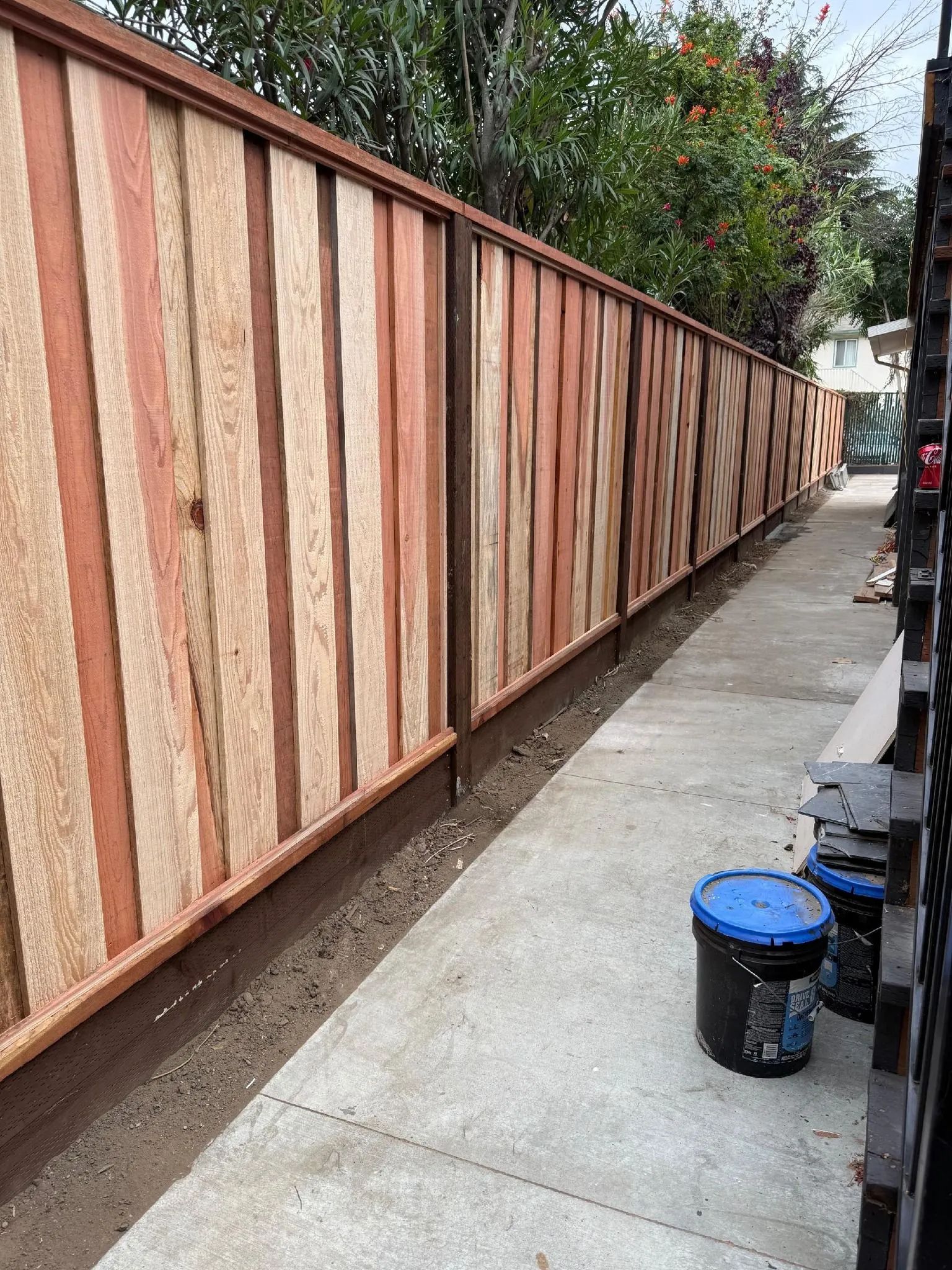
Best Wood Types for Long-Lasting Fences (And How We Build Them to Last)
March 27, 2026

A fence is more than just a boundary—it’s a statement of style, security, and property value. Homeowners and property managers alike seek fencing solutions that combine aesthetic appeal with durability, and choosing the right type of wood is at the heart of this decision. With a variety of wood species available, understanding their characteristics, longevity, and maintenance requirements is essential for ensuring a fence not only looks great but stands the test of time. From natural resistance to pests to tolerance against moisture and weather, selecting a high-quality wood species forms the foundation of a long-lasting fence.
However, longevity isn’t determined by wood type alone. Proper construction techniques, post installation methods, and protective treatments all play critical roles in extending the life of a wooden fence. Even the finest wood can deteriorate quickly if it isn’t installed correctly or maintained periodically. This guide explores the best wood types for fencing, practical installation insights, and strategies to maximize durability. By combining the right materials with expert construction practices, property owners can enjoy a secure, visually appealing fence that maintains its strength and beauty for decades.
1. Choosing the Right Wood for Durability
Selecting the correct wood type is the first step toward building a fence that lasts. Different wood species have unique properties, which directly affect their resistance to decay, insect damage, and weathering. Understanding these differences helps homeowners make informed decisions and ensures long-term satisfaction.
Hardwoods vs. Softwoods
Hardwoods such as oak, black locust, and chestnut offer high density, strength, and natural rot resistance. These woods are ideal for fences that must endure high traffic, frequent contact, or exposure to moisture. Hardwoods generally have a longer lifespan but can be more expensive and harder to work with due to their density.
Softwoods like cedar, redwood, and pine are easier to cut and install and often come with natural oils that provide some level of protection against decay and insects. Pressure-treated pine, for example, is chemically treated to resist rot and insects, making it a budget-friendly yet durable option for fence construction.
Wood Grain and Natural Oils
The grain pattern and oil content in wood also influence its resilience. Woods with tighter grains tend to absorb less water, reducing the risk of warping, splitting, or rotting. Natural oils found in cedar and redwood repel moisture and deter insect infestation, which minimizes maintenance needs and prolongs fence life.
2. Top Wood Types for Long-Lasting Fences
Several wood species stand out for their combination of strength, durability, and aesthetic appeal. Understanding their specific benefits and potential challenges allows for tailored choices that meet both functional and stylistic goals.
Cedar
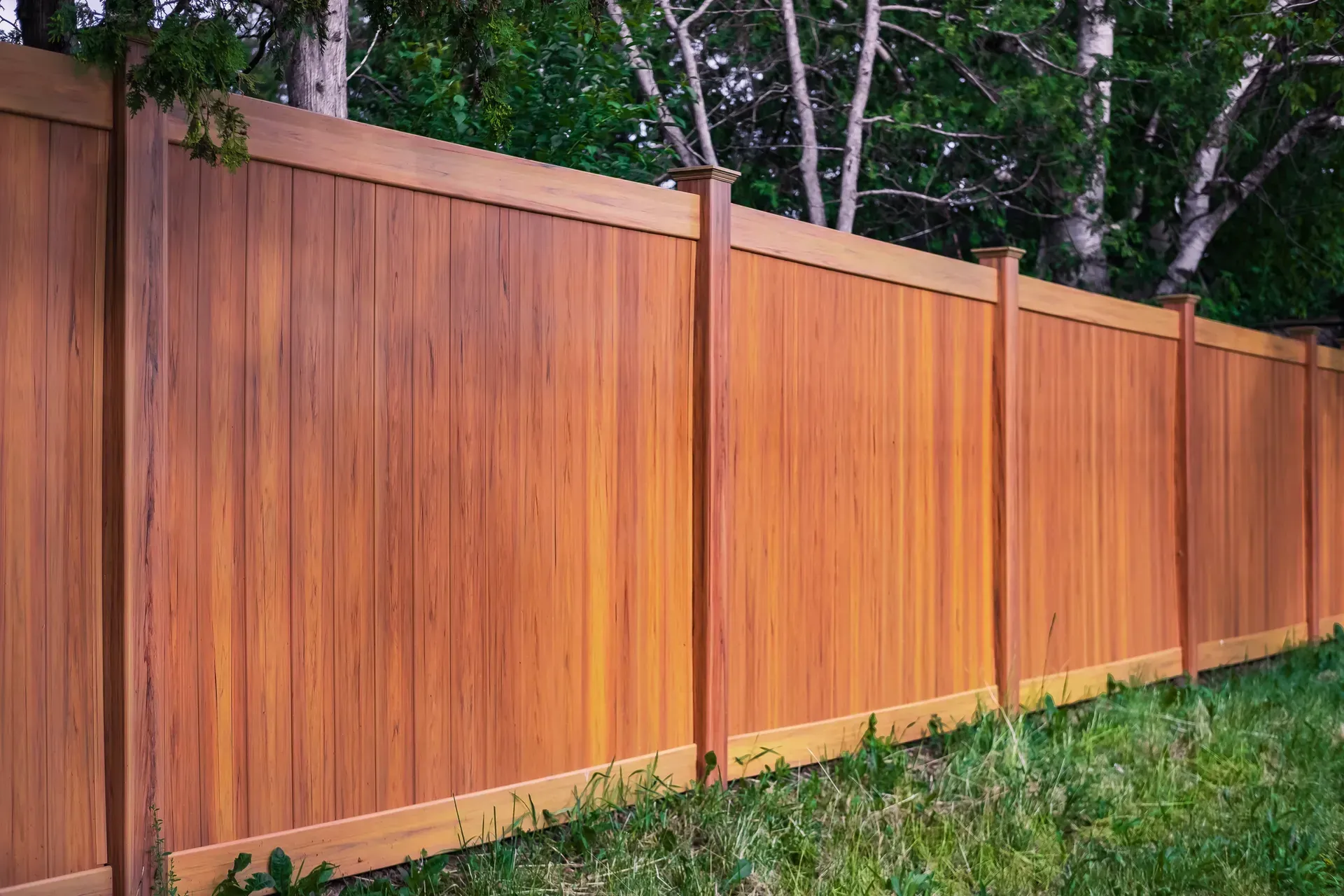
Cedar is one of the most popular wood choices for fencing due to its natural resistance to rot and insects. Its aromatic oils provide an inherent defense against decay, while its lightweight structure allows for easier installation. Cedar fences maintain a classic reddish-brown hue that naturally weathers to a silver-gray if left untreated, offering a timeless appearance.
Challenges: Cedar can be prone to cracking if exposed to extreme temperature changes. Regular sealing can mitigate this issue, extending the fence’s life and preserving its color.
Redwood
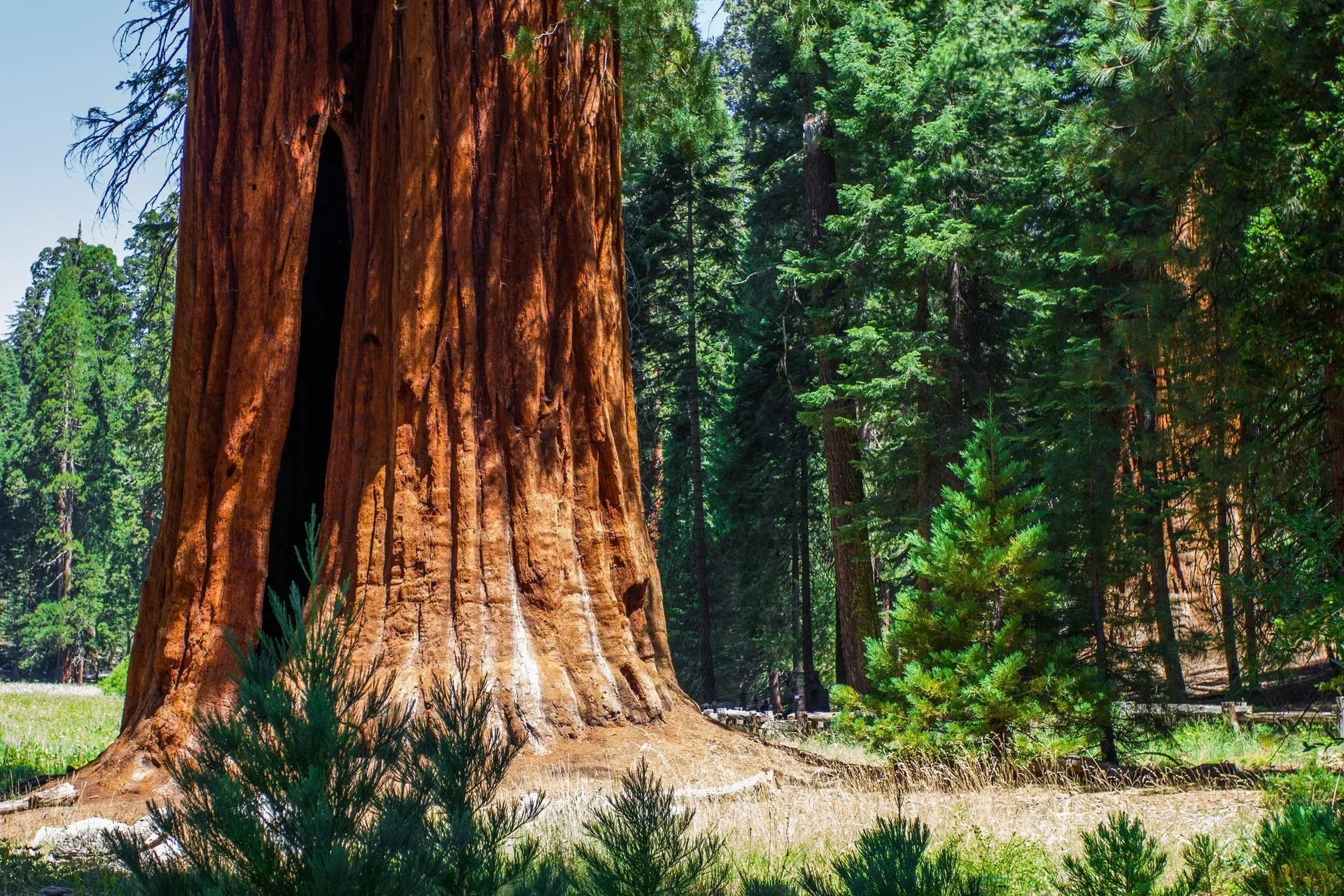
Redwood shares similar qualities with cedar, including rot resistance and insect deterrence. Its tight grain makes it less prone to warping, and its rich color adds visual appeal. Premium-grade redwood can last up to 25–30 years when properly maintained.
Challenges: Redwood is generally more expensive than cedar or pine, and availability can be limited in certain regions. Additionally, lower-grade redwood may contain knots that affect structural stability over time.
Pressure-Treated Pine
Pressure-treated pine is a cost-effective option that has been chemically treated to resist moisture, fungi, and insects. Its affordability and availability make it a practical choice for larger fencing projects. Modern treatments are safer and longer-lasting, providing a reliable lifespan of 15–20 years.
Challenges: Untreated edges or cuts require additional treatment to prevent rot, and periodic maintenance like staining or sealing is recommended to maximize durability.
3. Construction Techniques That Maximize Longevity
Even the best wood will fail prematurely if not installed correctly. Understanding construction methods is essential for building a long-lasting fence.
Proper Post Installation
The fence post is the backbone of any structure. Setting posts correctly prevents leaning, sagging, or instability. Posts should be buried at a depth equal to one-third of their height and placed in well-draining gravel or concrete to minimize soil moisture contact.
Tip: Adding a layer of gravel at the base of each post hole improves drainage and reduces wood-to-soil contact, which significantly decreases rot risk.
Correct Fasteners and Hardware
Using the right fasteners is crucial. Stainless steel or galvanized nails and screws resist rust and corrosion, particularly in coastal or humid areas. Avoid using untreated nails, which can accelerate wood deterioration.
Tip: For added longevity, consider hidden fasteners or screws that reduce exposure to weathering forces.
Board Spacing and Design Considerations
Providing slight gaps between boards allows air circulation, reducing moisture accumulation and mold growth. Vertical board orientation also encourages water runoff, whereas horizontal boards may trap moisture if not properly angled.
Tip: Incorporating a small overhang on the top rail can prevent water from soaking the end grain of boards, extending fence life.
4. Protective Treatments and Maintenance
Even naturally durable woods benefit from ongoing maintenance. Protective treatments help shield the fence from environmental damage and prolong its lifespan.
Staining and Sealing
Applying a high-quality stain or sealant prevents moisture penetration, UV damage, and fading. Transparent stains highlight the wood’s natural beauty, while semi-transparent or solid stains offer additional UV protection. Reapplication every 2–3 years ensures continued performance.
Tip: Focus on end grains and exposed edges, as these areas absorb moisture fastest and are prone to splitting.
Cleaning and Mold Prevention
Regular cleaning removes dirt, mold, and mildew that can accelerate wood deterioration. A mixture of mild detergent and water, applied with a soft brush, effectively prevents buildup. Power washing should be used cautiously to avoid damaging the wood surface.
Tip: Inspect fences annually for signs of rot, insect activity, or loose fasteners, addressing problems promptly to prevent escalation.
Environment-Specific Considerations
Climatic factors heavily influence maintenance strategies. Coastal regions with salty air require more frequent sealing to prevent corrosion, while humid areas demand regular mold prevention measures. Winter climates may require removing snow buildup to avoid prolonged moisture exposure.
Tip: Selecting local, weather-resistant species and adapting maintenance routines to environmental conditions optimizes longevity.
5. Real-World Examples and Expert Tips
Initial Costs
Understanding how these materials and methods perform in practice helps homeowners make informed choices.
Case Study: Residential Privacy Fence
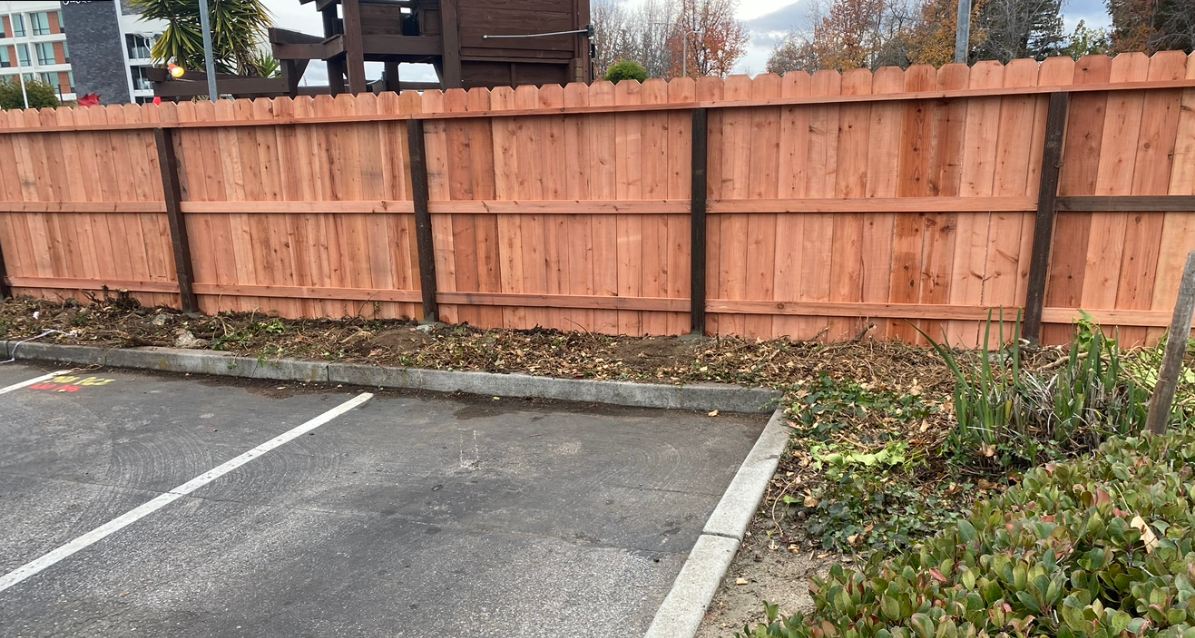
A homeowner installed a cedar privacy fence with pressure-treated posts in a wet, temperate climate. By using stainless steel fasteners, applying a semi-transparent stain, and spacing boards properly, the fence remained structurally sound and visually appealing after 12 years.
Case Study: Hardwoods for Security Fencing
A commercial property chose black locust for perimeter fencing due to its density and rot resistance. Combined with concrete-set posts and protective end grain treatment, the fence required minimal maintenance and showed no signs of rot or insect damage after a decade of exposure.
Expert Recommendations
- Prioritize rot-resistant species for areas with heavy rainfall or high humidity.
- Use protective hardware and fasteners to reduce corrosion and decay.
- Implement proper drainage and airflow to minimize moisture exposure.
- Schedule routine maintenance, including staining, sealing, and cleaning, to maximize lifespan.
By following these practices, homeowners can achieve fences that last 20 years or more, balancing aesthetic appeal with long-term performance.
6. Cost vs. Longevity Considerations
Investing in high-quality wood and expert construction may involve higher upfront costs but often results in lower long-term expenses due to reduced maintenance and longer lifespan.
Initial Material Costs
Premium hardwoods like black locust or redwood cost more per linear foot compared to pressure-treated pine. However, their durability offsets replacement costs and maintenance needs. Cedar provides a balance between price and longevity, making it a popular choice for residential fencing.
Maintenance Costs
Low-maintenance woods like cedar or pressure-treated pine require periodic sealing and cleaning, while hardwoods like oak and black locust may need minimal attention. Accounting for maintenance intervals helps determine the true cost of ownership.
Long-Term Value
A well-constructed, high-quality wood fence enhances property value, improves curb appeal, and provides reliable security. Opting for durable materials reduces the risk of premature failure and costly repairs, offering long-term financial and functional benefits.
Expert Builders Delivering Long-Term Wood Fence Performance
Selecting the right wood and applying expert construction methods are essential steps in building a long-lasting fence. By understanding the benefits and limitations of each wood species, employing proper installation techniques, and committing to regular maintenance, property owners can maximize fence longevity and maintain its visual appeal. Investing in durable materials and protective measures ensures that a fence not only serves its functional purpose but also enhances the overall value of the property.
At The Bears Fence Inc, we bring a decade of experience to every fencing project in San Jose, California. Our team specializes in crafting wood fences designed to endure the local climate while maintaining aesthetic appeal. From selecting the ideal wood species to expert post installation and finishing techniques, we combine craftsmanship with proven best practices. We prioritize quality materials, precision construction, and thorough protective treatments to ensure each fence stands the test of time. Whether you are looking for privacy, security, or decorative fencing, The Bears Fence Inc
provides trusted, professional service that guarantees a durable, beautiful, and long-lasting fence for your property.