
Wood Fence vs Other Fence Materials: Pros, Cons & When Wood Makes the Most Sense
February 23, 2026

Choosing the right fencing material is a critical decision for homeowners and property managers alike. Fences serve multiple purposes: they define property boundaries, provide security, enhance curb appeal, and contribute to the overall aesthetic of a home or business. With a variety of options available—from wood and vinyl to metal and composite—making the right choice requires careful consideration of durability, maintenance, cost, and style. Among these, wood fencing remains a consistently popular option due to its versatility, natural beauty, and timeless appeal.
However, wood is not always the best fit for every property or application. Advances in alternative materials, such as low-maintenance vinyl and long-lasting metal options, have introduced new opportunities for homeowners seeking longevity and minimal upkeep. Understanding the advantages and limitations of each fencing material can help property owners make an informed investment. In this article, we compare wood fences with other common fencing materials, examining factors like cost, durability, maintenance, and aesthetic appeal. We will also discuss scenarios where wood fencing offers the most practical and attractive solution, providing readers with actionable insights to guide their fence installation decisions.
1. Understanding Wood Fencing
Types of Wood Fences
Wood fencing comes in a variety of styles, each suited to different property needs and budgets. Common types include:
- Picket Fences: Picket fences are classic and decorative, often used to frame front yards, gardens, or small residential properties. Their open design offers visibility while maintaining a charming boundary. They are particularly popular for homes with a traditional or cottage-style aesthetic.
- Privacy Fences: Taller structures designed to offer seclusion and security for backyards or outdoor spaces. Privacy fences typically range from 6–8 feet in height, providing a visual barrier that shields homeowners from street views or neighboring properties.
- Split-Rail Fences: A rustic design often used in rural areas, farmland, or large estates. Split-rail fences are easy to install and create an open, airy appearance while defining boundaries.
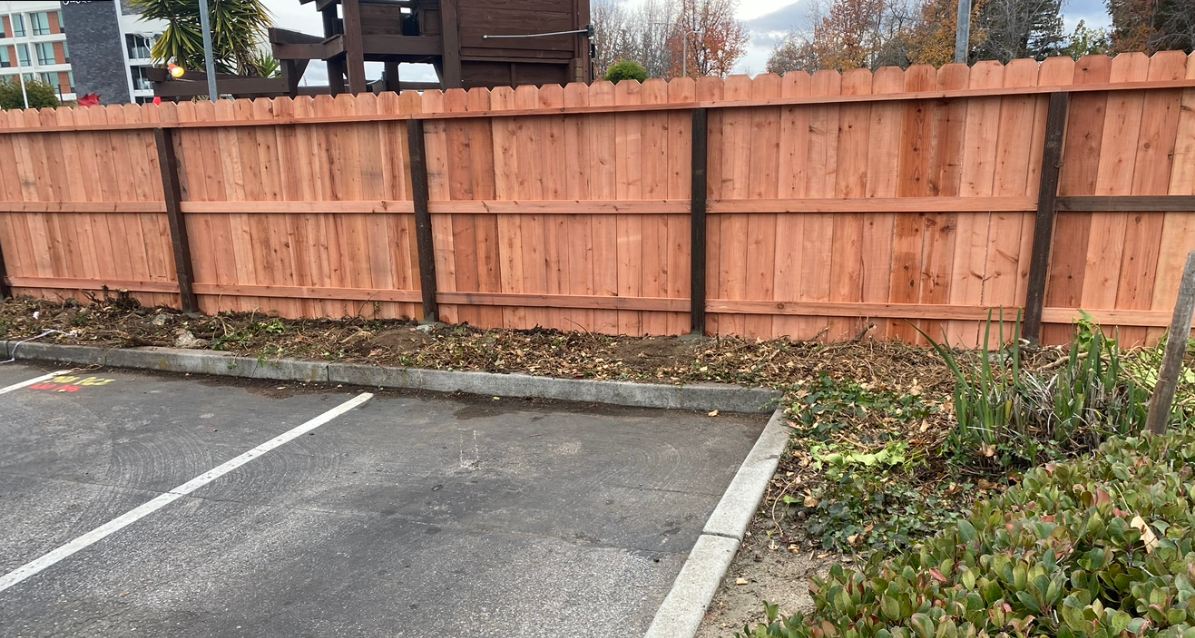
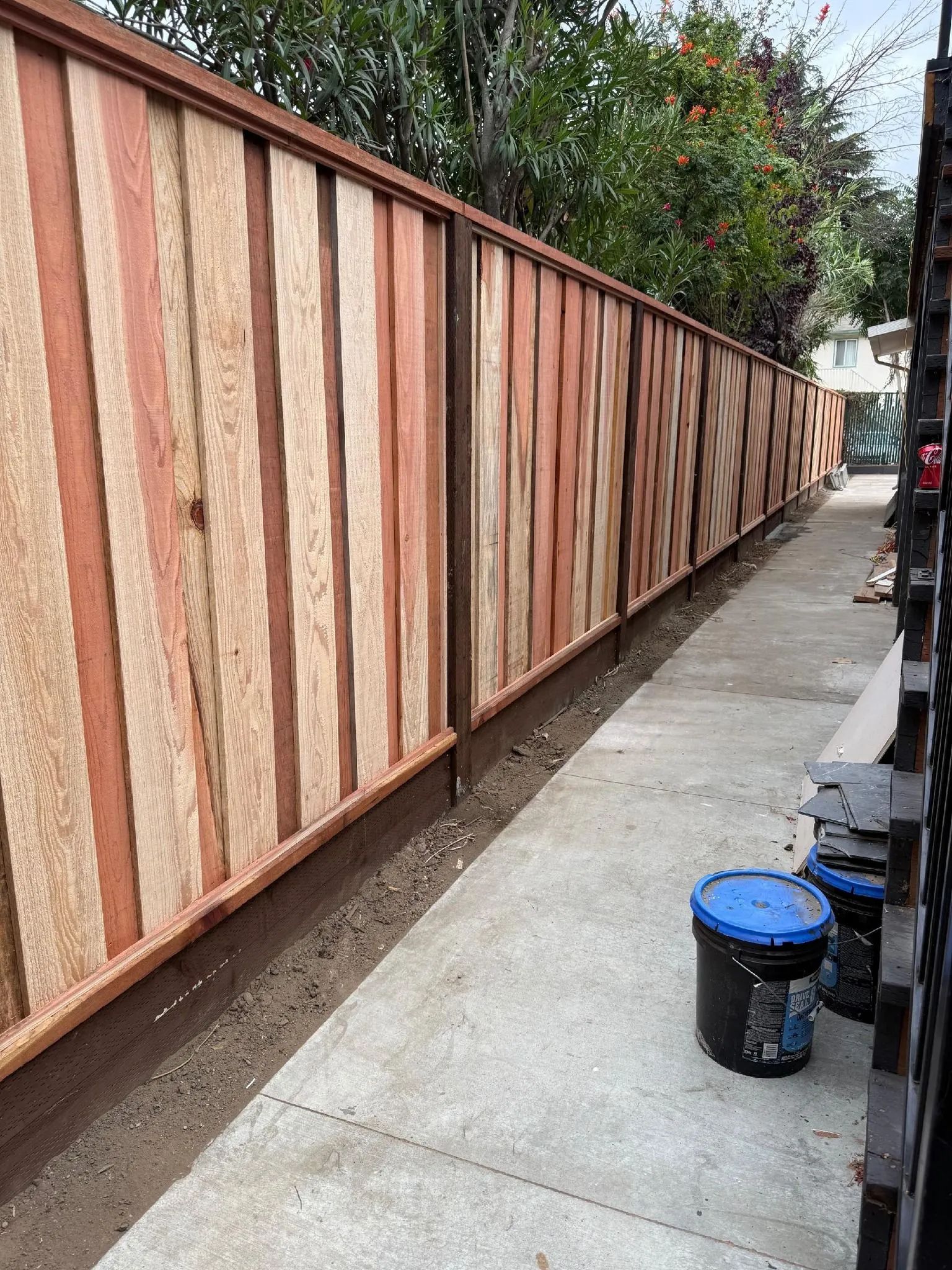
- Shadowbox and Board-on-Board Fences: These designs balance aesthetics and functionality, offering privacy while allowing airflow through overlapping boards. Shadowbox fences are ideal for homeowners seeking a visually appealing structure that maintains durability.
Pros of Wood Fencing
Wood fences offer several distinct advantages that make them a popular choice among homeowners and landscapers:
- Natural Aesthetic Appeal: Wood blends seamlessly with landscapes, gardens, and lawn areas, complementing a variety of architectural styles. Its natural textures and colors can create a welcoming, organic feel, adding warmth and elegance to the property.
- Customizability: Wood can be painted, stained, or carved to achieve a unique, personalized look. Homeowners can choose from natural stains for a rustic appearance or bright paints for a contemporary feel. Wood also allows for creative designs such as lattice tops, decorative cutouts, and mixed-height panels.
- Affordability: Compared to premium metals or high-end composite materials, wood typically offers a lower upfront cost while still providing a durable solution. Certain wood types, such as cedar or pine, offer a cost-effective balance between aesthetics and longevity.
- Repairable: Damaged sections of a wood fence can be replaced individually without overhauling the entire structure. This makes maintenance simpler and more cost-effective over the fence’s lifespan.
Cons of Wood Fencing
While wood fencing provides versatility and beauty, it has inherent challenges:
- Maintenance Requirements: Wood requires regular staining, sealing, or painting to protect against moisture, UV rays, and rot. Without proper care, boards can warp, split, or decay, reducing the fence’s lifespan.
- Susceptibility to Weather: Extreme weather conditions, including heavy rain, snow, or direct sunlight, can shorten a wood fence’s life. Temperature fluctuations may cause expansion or contraction, leading to loose boards or structural issues.
- Potential for Pest Damage: Termites, carpenter ants, and other wood-boring insects can compromise structural integrity if preventive treatments are not applied. Certain wood types, like cedar and redwood, are naturally more resistant but may come at a higher cost.
2. Vinyl Fencing: Low-Maintenance Alternative
Overview and Varieties
Vinyl fencing is manufactured from durable PVC materials and is designed to mimic the look of wood while requiring minimal upkeep. It comes in various styles, including:
- Picket-style Vinyl: Provides classic charm without the need for painting or staining.
- Privacy Panels: Solid panels replicate wood privacy fences and can be installed in sections.
- Lattice-top Designs: Decorative panels offer enhanced curb appeal while maintaining easy maintenance.
Vinyl fencing is often chosen by homeowners who want the aesthetic appeal of wood but prefer a product that can withstand harsh weather without deterioration.
Pros of Vinyl Fencing
- Minimal Maintenance: Unlike wood, vinyl does not require periodic staining or sealing. Occasional cleaning with a hose or mild detergent is sufficient to maintain its appearance.
- Weather Resistance: Vinyl is impervious to moisture, rot, and insect damage. It also resists fading caused by prolonged exposure to sunlight, making it ideal for regions with heavy sun or rain.
- Durability: Vinyl fences can last 20–30 years when installed correctly. Unlike wood, there is no warping or cracking under normal weather conditions, providing long-term reliability.
Cons of Vinyl Fencing
- Higher Upfront Cost: Vinyl can cost 50–100% more than traditional wood initially, though it may save money on maintenance over time.
- Limited Customization: Vinyl cannot be painted or carved easily. While different colors and styles are available at purchase, homeowners have limited options for customization after installation.
- Environmental Considerations: PVC production is less eco-friendly than sustainably sourced wood, which may concern environmentally conscious homeowners.
Ideal Scenarios for Vinyl
Vinyl fencing works well for properties where minimal maintenance is a priority, such as:
- Residential areas with moderate to heavy rainfall.
- Families seeking a durable, low-upkeep solution.
- Homeowners prioritizing a clean, uniform aesthetic with long-lasting performance.
3. Metal Fencing: Security and Longevity
Common Types
Metal fences are highly durable and suitable for properties prioritizing security and longevity. Common types include:
- Chain Link: Affordable and functional, offering security without heavy visual presence.
- Aluminum: Lightweight, corrosion-resistant, and visually appealing.
- Wrought Iron: Extremely strong, decorative, and ideal for high-end residential or commercial properties.
Pros of Metal Fencing
- Exceptional Durability: Metal fences can withstand severe weather and remain structurally sound for decades. Powder-coated finishes add protection against rust and corrosion.
- Enhanced Security: Strong metals like wrought iron or steel act as effective deterrents to trespassing or intrusions.
- Minimal Maintenance: Routine inspections and occasional touch-ups are generally sufficient, reducing ongoing upkeep efforts.
Cons of Metal Fencing
- Aesthetic Limitations: Chain-link fences lack visual appeal, while wrought iron can appear too formal or industrial for some residential settings.
- Higher Cost: Metal fences require more investment upfront and often need professional installation.
- Limited Privacy: Open designs, such as chain-link, offer minimal screening from neighbors or passersby.
When Metal Makes Sense
Metal fencing is ideal for properties where security and durability outweigh decorative concerns, such as:
- Industrial sites and warehouses.
- High-value residential estates requiring strong boundaries.
- Urban properties with exposure to vandalism or theft risk.
4. Composite Fencing: The Modern Hybrid
Material Composition
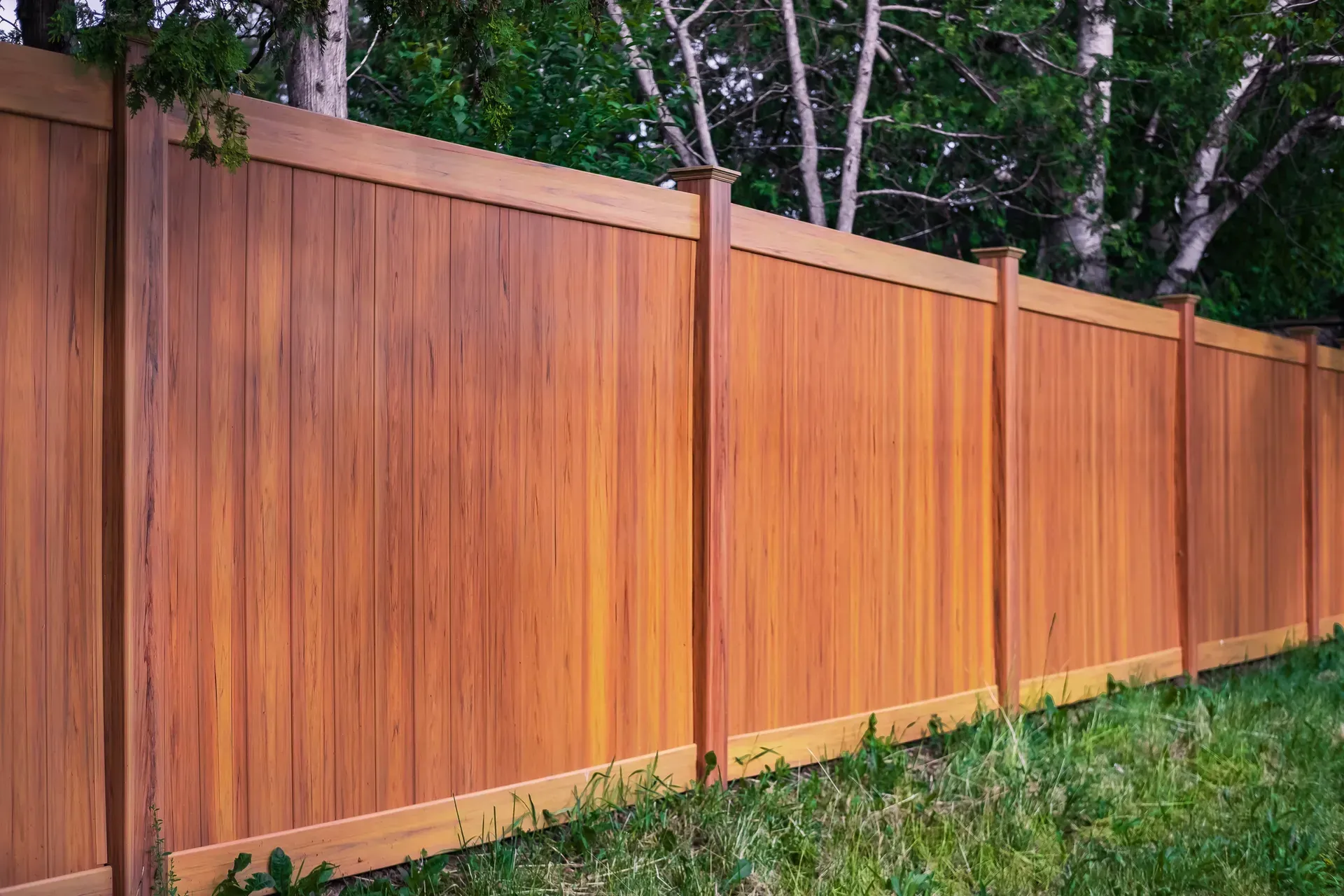
Composite fences are manufactured from a blend of wood fibers and recycled plastics, combining the natural look of wood with the low-maintenance benefits of vinyl. These fences are designed to mimic wood textures while offering long-term resilience.
Pros of Composite Fencing
- Wood-Like Appearance: Composite fences retain the warmth and visual appeal of natural wood, making them a desirable option for aesthetic-focused properties.
- Low Maintenance: No staining, sealing, or painting is required. Cleaning is simple and straightforward.
- Durability: Resistant to rot, decay, insect infestations, and harsh weather, with a typical lifespan of 15–25 years.
Cons of Composite Fencing
- High Initial Cost: Composite fences are more expensive than traditional wood or vinyl, which may impact budget-conscious homeowners.
- Weight and Installation: Composite boards are heavier than wood, requiring careful planning and labor for proper installation.
- Potential Fading: Over time, prolonged exposure to direct sunlight may cause some fading, though quality boards often include UV protection.
Ideal Applications
Composite fencing works well in:
- Suburban developments seeking modern aesthetics.
- Homeowners prioritizing low maintenance but wanting natural wood appearance.
- Properties where durability and consistent visual appeal are equally important.
5. Comparing Costs and Lifespan
Initial Costs
- Wood: $15–$35 per linear foot, depending on type and height. Affordable for standard residential applications.
- Vinyl: $25–$45 per linear foot, reflecting material quality and installation complexity.
- Metal: $20–$50 per linear foot, with wrought iron at the upper end due to decorative details.
- Composite: $30–$60 per linear foot, balancing durability, aesthetics, and maintenance-free design.
Maintenance Considerations
- Wood: Requires periodic sealing, staining, or painting and monitoring for rot, warping, or insect damage.
- Vinyl & Composite: Minimal upkeep; occasional washing to remove dirt or debris.
- Metal: Occasional inspection for rust, repainting of iron fences, and tightening hardware.
Lifespan
- Wood: 15–25 years with proper maintenance.
- Vinyl: 20–30 years.
- Metal: 30–50 years depending on material and climate.
- Composite: 15–25 years.
Expert Fence Professionals Focused On Customer Satisfaction
Selecting the
right fence material
involves balancing aesthetics, budget, maintenance, and durability. While alternatives like vinyl, metal, and composite offer low-maintenance solutions with extended lifespans, wood fencing continues to be a versatile and attractive option. For property owners in San Jose, California, who value expert guidance and professional installation, The Bears Fence Inc
stands out as a trusted authority. With 10
years of experience in residential and commercial fencing projects, our team specializes in designing, installing, and maintaining wood, vinyl, and composite fences tailored to each client’s needs. We prioritize quality craftsmanship, timely project completion, and personalized service to ensure every fence enhances property value and beauty. Choosing The Bears Fence Inc
guarantees a durable, stylish, and professionally executed fencing solution backed by local expertise.