
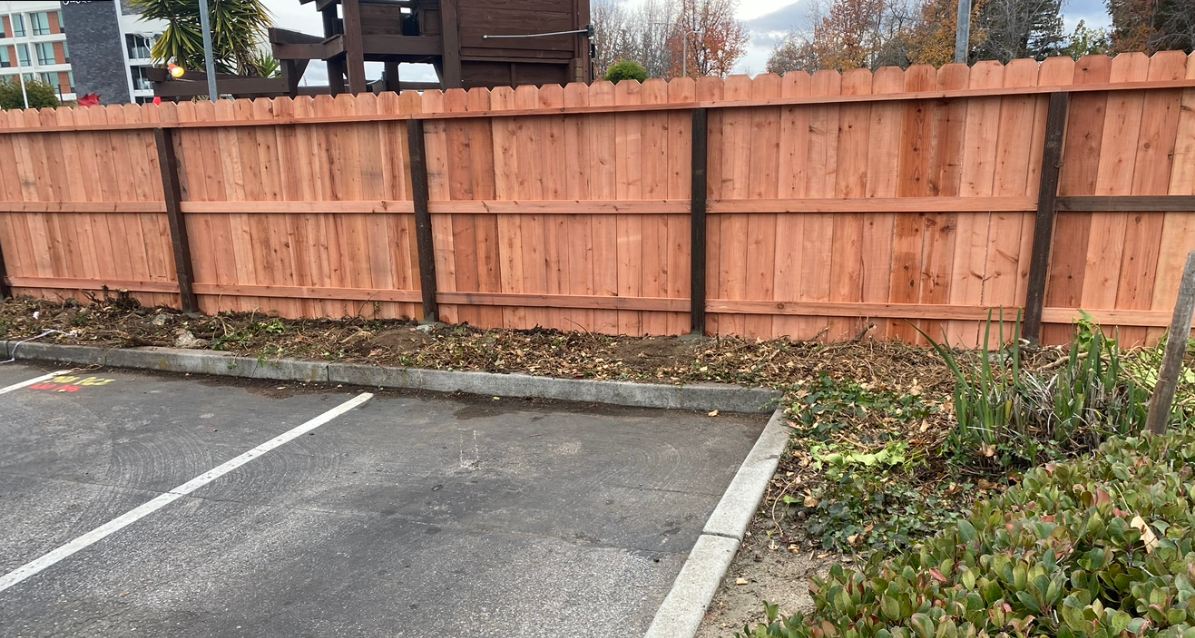

How Much Does a New Fence Cost — And What to Expect When You Hire a Professional

January 30, 2026

Installing a new fence is more than just a home improvement project—it’s an investment in privacy, security, and curb appeal. Whether you’re looking to keep pets contained, define property boundaries, or enhance your yard’s aesthetic, understanding the costs and expectations associated with fence installation is crucial. Many homeowners underestimate the variety of factors that influence the total expense, leading to surprises during the planning and installation process. This guide offers a clear, practical overview of what to expect when hiring a professional fence contractor and helps homeowners make informed decisions that suit both their needs and budgets.


From material selection to labor, fencing costs vary widely depending on style, height, and property specifics. Choosing the right contractor is equally important, as professional expertise can save time, prevent mistakes, and ensure long-term durability. By examining the key cost components, common challenges, and best practices for working with professionals, this guide equips homeowners with the knowledge to confidently plan their fencing project. Whether you’re considering wood, vinyl, metal, or composite options, understanding the financial and practical aspects of fence installation ensures that your investment delivers both beauty and functionality for years to come.

Understanding the Factors That Affect Fence Costs

Material Type and Quality: The type of material you choose significantly impacts the overall cost of your fence. Common options include wood, vinyl, aluminum, steel, and composite materials, each with distinct characteristics. For instance, pressure-treated wood is typically less expensive upfront but requires regular maintenance, while vinyl fences offer durability with minimal upkeep but come at a higher initial cost. High-quality materials not only improve the aesthetic appeal but also extend the lifespan of your fence, potentially saving money in the long run.


Fence Height and Length: Fence height and total linear footage directly influence labor and material costs. Taller fences require sturdier posts and additional reinforcement, while longer fences naturally require more material and installation time. Homeowners should measure their property accurately and consider how gate placement and terrain may affect the project’s scope. Understanding these dimensions helps create a realistic budget and prevents unforeseen expenses.


Terrain and Site Conditions: Uneven or sloped land, rocky soil, or areas with poor drainage can increase installation complexity. Excavation, grading, or additional support may be necessary, adding to labor costs. Professional contractors assess the site before providing an estimate, ensuring that the fence will be stable, safe, and compliant with local codes. Anticipating site challenges beforehand helps homeowners avoid delays and surprises.

Average Cost Estimates for Different Fence Types

  • Wood Fences

    Wood fences remain a popular choice due to their natural appeal and versatility. On average, homeowners can expect to pay between $15 and $45 per linear foot, depending on wood type, height, and style. Cedar and redwood offer resistance to decay and insects, while pine is more affordable but may require frequent staining or sealing. Wood fences provide a classic look and can be customized with picket, split-rail, or privacy panels.

  • Vinyl Fences

    Vinyl fences are low-maintenance and resistant to rot, pests, and weather damage. Costs typically range from $20 to $50 per linear foot. While the upfront investment is higher than wood, vinyl fences require minimal upkeep, making them cost-effective over time. They are available in various colors, textures, and styles, providing homeowners with long-lasting solutions without regular painting or sealing.

  • Composite Fences

    Composite fences combine wood fibers with plastic polymers, offering the appearance of wood with increased durability. Prices typically range from $25 to $60 per linear foot. Composite materials resist rot, warping, and insect damage, making them a long-term investment for homeowners seeking low-maintenance, environmentally friendly solutions. They also allow for customizable colors and textures to match existing landscaping.

Labor Costs and Professional Installation

  • Importance of Hiring a Professional: Professional installation ensures the fence is structurally sound, visually appealing, and compliant with local regulations. While some homeowners attempt DIY installation, hiring a licensed fence contractor can prevent costly mistakes, especially on large properties or challenging terrains. Professionals bring experience, proper tools, and industry knowledge to every project, reducing risk and ensuring longevity.


  • Typical Labor Rates: Labor costs usually account for 30–50% of the total fence installation expense. Rates vary by region, contractor expertise, and project complexity. On average, labor costs range from $40 to $75 per hour or $5 to $15 per linear foot. Factors such as gate installation, terrain difficulty, and post reinforcement requirements influence these rates. Transparent communication with your contractor helps ensure accurate estimates and prevents budget overruns.


  • Planning and Permits: Fence installation often requires permits and adherence to zoning laws, particularly in residential areas. Professional contractors handle the permitting process, ensuring the fence meets height restrictions, property line requirements, and homeowners’ association guidelines. Factoring in permit fees, which can range from $50 to several hundred dollars, is essential when planning your project budget.

Additional Costs and Considerations

  • Gates and Hardware

    Gates and hardware are necessary components that influence the overall cost. Standard single gates range from $150 to $500, while custom or double gates may exceed $1,000. Gate hardware, including locks, latches, and hinges, also adds to the budget. Choosing durable, weather-resistant hardware enhances functionality and ensures long-term performance.

  • Maintenance and Upkeep

    Some fence materials require regular maintenance to preserve appearance and structural integrity. Wood fences may need staining or sealing every few years, while metal fences might require rust treatment. Vinyl and composite fences generally need only occasional cleaning. Homeowners should consider maintenance costs alongside installation expenses to accurately gauge the total investment.

  • Landscaping and Obstructions

    Existing trees, shrubs, or structures can complicate installation and increase costs. Contractors may need to remove or work around obstacles, add reinforcements, or adjust fence design. Accounting for landscaping considerations helps avoid delays and ensures a smooth installation process.

  • Warranty and Longevity

    Professional contractors often provide warranties on materials and workmanship. A warranty offers peace of mind and can save homeowners money if repairs are needed. Understanding the terms and duration of the warranty is important when comparing contractors and materials.

Choosing the Right Contractor

  • Research and References: Selecting the right contractor is critical for a successful fencing project. Homeowners should research local professionals, read reviews, and request references. Experienced contractors provide portfolios of completed projects, allowing clients to assess workmanship and style. Verified testimonials and real-world examples demonstrate reliability and customer satisfaction.


  • Detailed Estimates: Obtaining multiple estimates ensures competitive pricing and transparency. A detailed estimate should break down material costs, labor, permits, gates, hardware, and any additional fees. Avoid choosing contractors based solely on the lowest price; consider quality, experience, and responsiveness alongside cost.


  • Communication and Timeline: Clear communication with your contractor is essential. Discuss project timelines, potential obstacles, and expectations upfront. Professionals provide realistic schedules, explain installation steps, and keep clients informed throughout the process. A well-managed project minimizes delays and ensures the fence meets both functional and aesthetic goals.


  • Local Expertise: Contractors familiar with local building codes, climate conditions, and soil types bring valuable insights to the project. They can recommend materials suited for your region, anticipate weather-related challenges, and ensure compliance with regulations. Local expertise reduces risks and enhances the fence’s durability and appearance.

Real-World Scenarios and Cost Examples

  • Scenario 1: Suburban Privacy Fence

    A homeowner in a suburban neighborhood opts for a 6-foot cedar privacy fence along a 150-foot perimeter. Material costs average $25 per linear foot, and professional labor adds $10 per linear foot. Permit fees total $150, resulting in a total cost of approximately $5,400. This investment provides security, privacy, and a visually appealing boundary.

  • Scenario 2: Low-Maintenance Vinyl Fence

    For a property requiring minimal upkeep, a 4-foot vinyl fence spanning 120 feet is installed. Material costs of $30 per linear foot and labor at $12 per linear foot, combined with gate and hardware expenses of $400, bring the total to around $5,440. Homeowners benefit from long-term durability and minimal maintenance requirements.

  • Scenario 3: Metal Security Fence

    A homeowner prioritizes security with a 6-foot steel fence enclosing a 200-foot perimeter. Material costs of $50 per linear foot, labor at $15 per linear foot, plus gate hardware of $800, result in a total cost of approximately $13,800. The fence offers enhanced protection, longevity, and modern aesthetics.

  • Scenario 4: Challenging Terrain

    A property with uneven terrain requires additional grading and post reinforcement. Installing a 150-foot composite fence at $40 per linear foot for materials and $15 per linear foot for labor, plus $500 in site preparation, totals roughly $8,750. Professional expertise ensures stability and compliance with local codes, even in difficult conditions.

Dependable Fence Services Delivered by Experienced Professionals

Installing a new fence is a significant investment that enhances privacy, security, and property aesthetics. Costs vary based on material choice, fence height, site conditions, labor, gates, and additional factors. Understanding these components helps homeowners make informed decisions, avoid surprises, and maximize the value of their fencing project. Hiring a professional ensures structural integrity, compliance with local regulations, and a smooth installation process. By considering budget, material longevity, and maintenance requirements, homeowners can select the best fencing solution to meet their needs.


The Bears Fence Inc, a trusted fence contractor in San Jose, California, brings over 10 years of experience delivering high-quality fencing solutions. Our team specializes in custom installations, offering expert guidance on material selection, design, and project management. We combine professionalism, precision, and local expertise to ensure each fence is both functional and visually appealing. Committed to customer satisfaction, The Bears Fence Inc provides transparent estimates, timely project completion, and long-lasting results. Homeowners can rely on our expertise to enhance their property’s value and enjoy peace of mind knowing their investment is handled by seasoned professionals dedicated to quality and reliability.

A massive, reddish-brown giant sequoia tree with a large hollow trunk stands in a sunlit forest of tall pine trees.
March 27, 2026
A fence is more than just a boundary—it’s a statement of style, security, and property value. Homeowners and property managers alike seek fencing solutions that combine aesthetic appeal with durability,
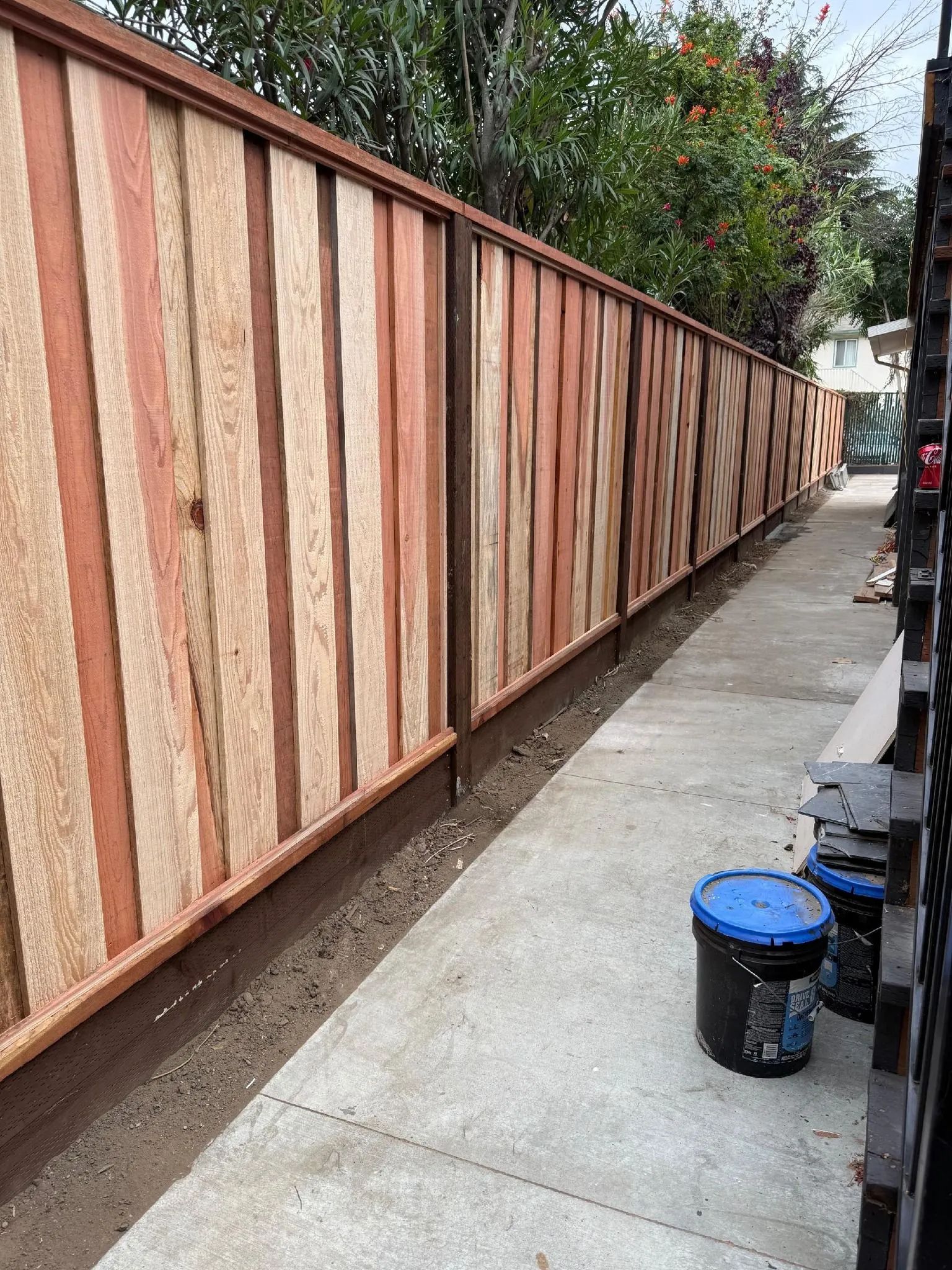
Wooden fence in an alley. Brown and tan vertical planks, concrete path, blue paint buckets.
February 23, 2026
Choosing the right fencing material is a critical decision for homeowners and property managers alike. Fences serve multiple purposes: they define property boundaries, provide security, enhance curb appeal, and contribute to the overall aesthetic of a home or business.
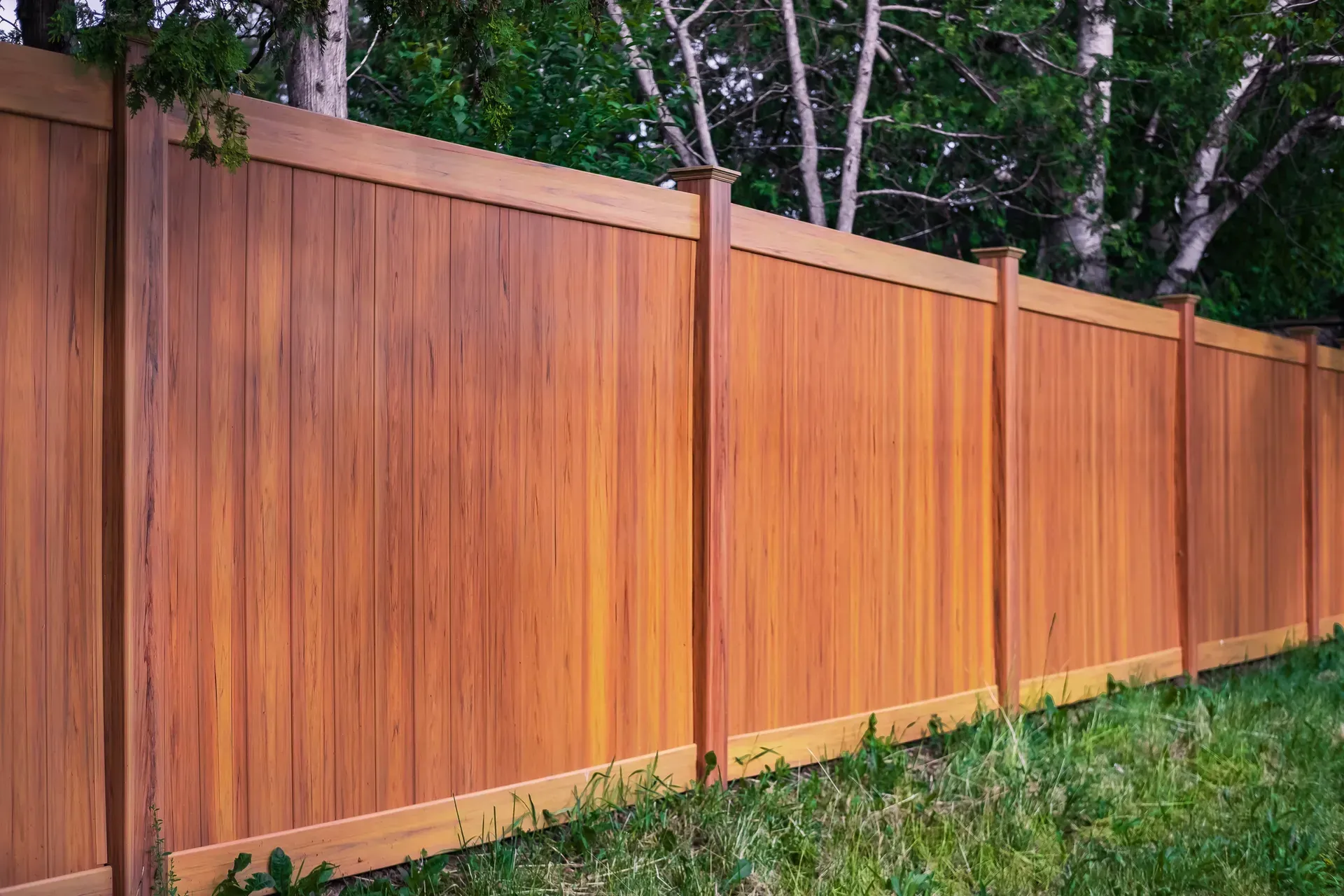
Wooden privacy fence in front of green grass and trees.
December 30, 2025
Selecting the right fence for your property is more than just a matter of aesthetics. A well-chosen fence enhances your home’s appearance, increases privacy, and can even add to the overall value of your property.

A massive, reddish-brown giant sequoia tree with a large hollow trunk stands in a sunlit forest of tall pine trees.
March 27, 2026
A fence is more than just a boundary—it’s a statement of style, security, and property value. Homeowners and property managers alike seek fencing solutions that combine aesthetic appeal with durability,
Wooden fence in an alley. Brown and tan vertical planks, concrete path, blue paint buckets.
February 23, 2026
Choosing the right fencing material is a critical decision for homeowners and property managers alike. Fences serve multiple purposes: they define property boundaries, provide security, enhance curb appeal, and contribute to the overall aesthetic of a home or business.
Wooden privacy fence in front of green grass and trees.
December 30, 2025
Selecting the right fence for your property is more than just a matter of aesthetics. A well-chosen fence enhances your home’s appearance, increases privacy, and can even add to the overall value of your property.